
Insights into Weight Management and Nutritional Balance

Explore evidence-based information about balanced nutrition, healthy eating practices, and the role of lifestyle choices in overall well-being.

Educational content only. No promises of outcomes.

Balanced meal with fresh vegetables and lean protein

What is Balanced Nutrition?

Balanced nutrition refers to consuming a variety of foods in appropriate proportions to meet your body's needs for energy and essential nutrients. It encompasses macronutrients (proteins, fats, and carbohydrates) and micronutrients (vitamins and minerals).

Understanding the principles of balanced nutrition helps individuals make informed choices about their dietary habits and lifestyle. This foundational knowledge supports long-term health and well-being.

Key Principles:

  • Variety of whole foods from different food groups
  • Appropriate portion sizes based on individual needs
  • Regular physical activity as complementary to nutrition
  • Personalized approaches reflecting individual circumstances
  • Sustainable, long-term dietary practices

Colorful balanced plate with vegetables, proteins, and grains

The Role of Macronutrients

🥚

Proteins

Essential for muscle maintenance, tissue repair, and enzyme production. Found in meat, fish, eggs, legumes, and dairy products.

Protein sources including salmon, beef, and chicken
🥑

Fats

Important for hormone production, nutrient absorption, and brain function. Include sources like olive oil, nuts, avocados, and fatty fish.

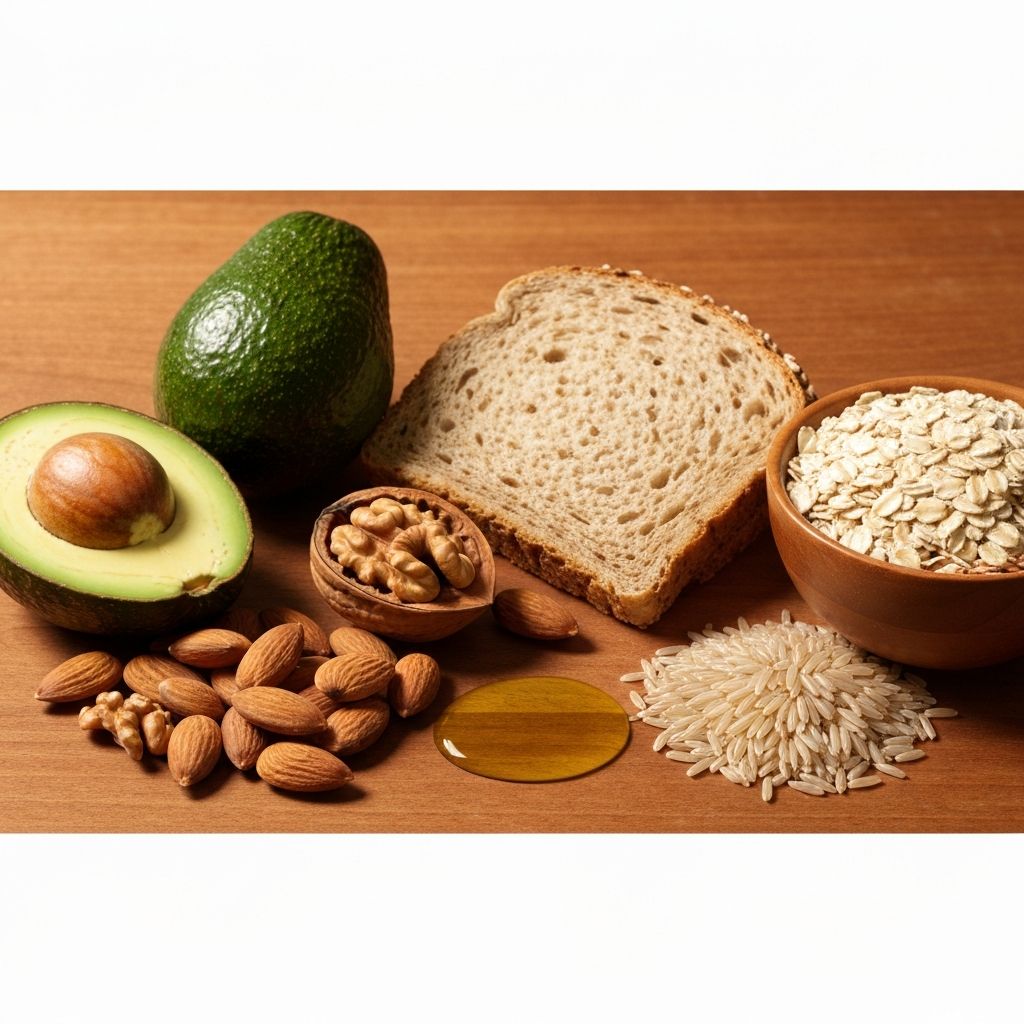
Healthy fats including avocado, nuts, and olive oil
🌾

Carbohydrates

Primary energy source for the body. Choose complex carbohydrates like whole grains, vegetables, and fruits over refined options.

Fresh vegetables and fruits including berries and bell peppers

Understanding Mindful Eating

Mindful eating is the practice of bringing conscious awareness and intention to the eating experience. It involves paying attention to hunger and fullness cues, savoring flavors, and making deliberate food choices.

This approach promotes a healthier relationship with food by reducing automatic eating patterns and encouraging individuals to listen to their body's signals. Mindful eating is not about restriction but about awareness and self-compassion.

Core Elements: Being present during meals, recognizing physical hunger, appreciating food textures and flavors, and respecting your body's signals.

Person enjoying a peaceful meal in a garden setting

Physical Activity and Well-being

Physical activity plays a crucial role in overall health and well-being, independent of weight management goals. Regular movement enhances cardiovascular health, strengthens muscles, improves mental health, and supports quality of life.

Mental Health

Activity improves mood and reduces stress

Cardiovascular

Strengthens heart and circulatory system

Longevity

Contributes to extended lifespan and vitality

Person cycling on a forest path in natural landscape

Common Myths About Weight and Nutrition

Understanding fact from fiction helps you make informed decisions about your nutrition and health.

Common Myth Scientific Perspective
All carbohydrates are unhealthy Complex carbohydrates from whole grains, vegetables, and fruits provide essential energy, fiber, and nutrients.
Eating fat makes you fat Healthy fats are essential for hormone production, nutrient absorption, and brain function. Quality matters more than quantity.
Skipping meals helps weight loss Regular, balanced meals support sustained energy and metabolic function. Skipping meals often leads to overeating later.
Certain foods have "negative calories" All foods contain calories. While some foods have lower calorie density, none have truly negative calories.
Exercise alone determines body composition Both nutrition and physical activity work together to support overall health and body composition changes.
Abstract image representing truth versus myth with balanced scales

Building Sustainable Habits

Sustainable dietary habits develop gradually through intentional practice and self-awareness. Here's a structured approach to building lasting changes:

  1. Start with awareness - Track your current eating patterns without judgment to understand your baseline habits and triggers.
  2. Set realistic goals - Focus on small, achievable changes rather than dramatic overhauls. Gradual modifications are more sustainable.
  3. Plan ahead - Prepare meals in advance, maintain a stocked pantry with whole foods, and plan grocery shopping strategically.
  4. Practice consistency - Regular repetition builds neural pathways that make new behaviors automatic over time.
  5. Address obstacles - Identify barriers to your habits and develop specific strategies to overcome them.
  6. Cultivate flexibility - Allow for variations and adjustments based on life circumstances, stress levels, and individual preferences.
  7. Seek support - Connect with communities, professionals, or resources that align with your goals and values.
Person preparing a healthy meal in an organized kitchen

Glossary of Nutritional Terms

A
B
C
D
E
F
G
H
M
N
P
V
Amino acids

Organic compounds that serve as building blocks for proteins. Essential amino acids must be obtained through diet.

Antioxidants

Substances that prevent or slow cell damage caused by free radicals, found in fruits, vegetables, and other plant foods.

Bioavailability

The degree to which nutrients are absorbed and utilized by the body from food sources.

Carbohydrate

Organic compound composed of carbon, hydrogen, and oxygen; primary energy source for the body.

Calorie

Unit of energy measurement used to quantify the energy content of food.

Dietary fiber

Indigestible carbohydrate from plants that supports digestive health and satiety.

Electrolytes

Minerals like sodium and potassium that regulate hydration and cellular function.

Enzyme

Protein that catalyzes biochemical reactions in the body, including digestion.

Fasting

Voluntarily abstaining from food for a specified period; approaches vary in duration and purpose.

Glucose

Simple sugar that serves as the body's primary energy source.

Glycemic index

Measure of how quickly a food raises blood sugar levels after consumption.

Hormone

Signaling molecule produced by the body that regulates various physiological processes.

Metabolism

Sum of all chemical processes that occur in the body to maintain life.

Micronutrient

Vitamins and minerals required in small amounts for proper bodily function.

Nutrient density

The concentration of nutrients relative to the caloric content of a food.

Nutrition

Science of how food and nutrients affect health, growth, and disease prevention.

Protein

Macronutrient composed of amino acids; essential for muscle, tissue, and enzyme production.

Vitamin

Essential organic compound required for normal metabolic function and health.

Visceral fat

Fat stored around internal organs; associated with metabolic dysfunction.

Frequently Asked Questions

What is the difference between nutrition and diet? â–¼

Nutrition refers to the science of how food and nutrients affect health and bodily function. A diet is the specific pattern of foods a person eats. Nutrition is the foundation; diet is the application of nutritional principles to individual eating practices.

How much water should I drink daily? â–¼

Water needs vary based on climate, activity level, and individual factors. A common guideline is approximately 2-3 liters daily, though individual requirements differ. Listen to your body's thirst signals and monitor urine color as indicators of hydration status.

Are all calories equal? â–¼

While calories measure energy content, the nutritional quality of those calories varies significantly. Foods differ in nutrient density, satiety effects, metabolic impact, and effects on blood sugar and hormones. Focusing solely on calorie counting ignores these important nutritional factors.

What role does metabolism play in health? â–¼

Metabolism encompasses all chemical processes that keep you alive and functioning. It's influenced by genetics, age, muscle mass, activity level, nutrition, sleep, and stress. Understanding metabolism helps explain individual variation in health outcomes and energy utilization.

How important is physical activity for overall health? â–¼

Physical activity is crucial for cardiovascular health, mental well-being, muscle maintenance, bone density, and overall longevity. Regular movement complements balanced nutrition in supporting comprehensive health. Individual needs and preferences should guide activity choices.

Can nutrition alone ensure health? â–¼

Health is multifactorial, influenced by nutrition, physical activity, sleep quality, stress management, social connections, and genetics. While nutrition is foundational, comprehensive well-being requires attention to all these interconnected areas.